Detect leaks before they become a problem.






.avif)


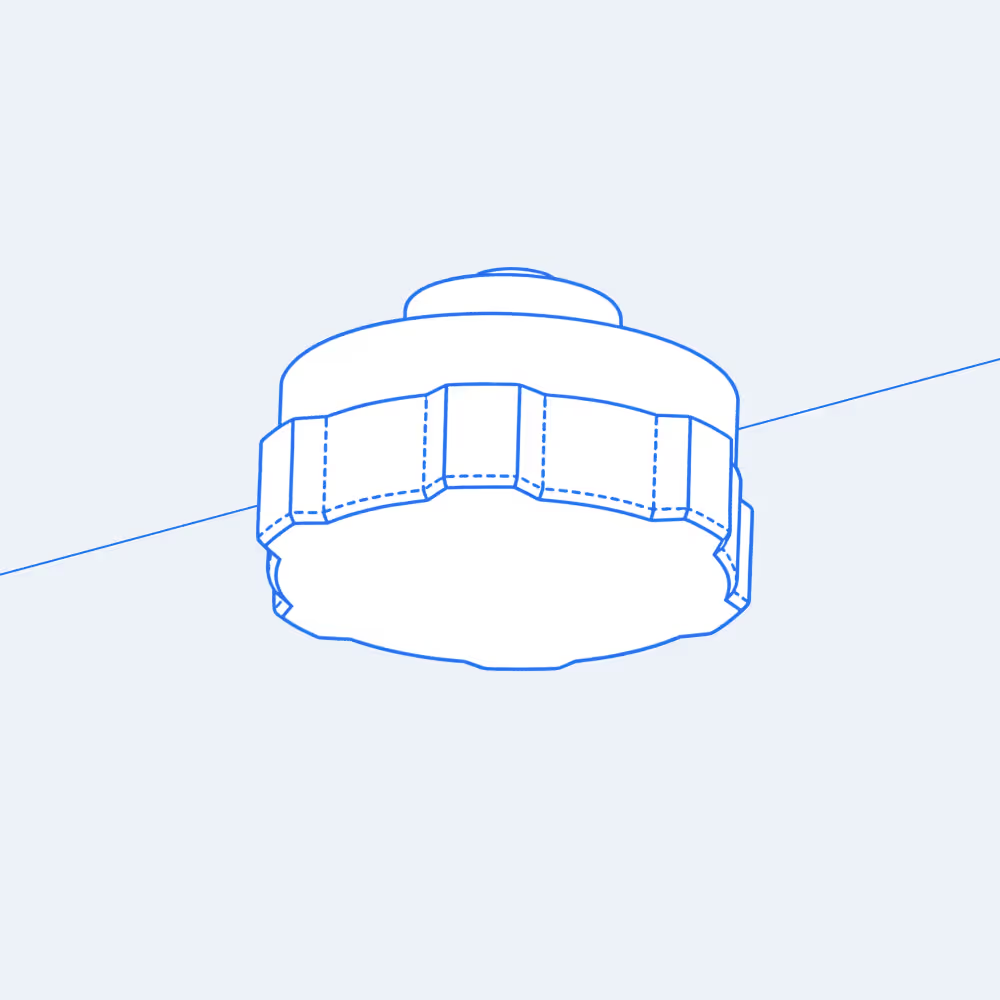
Continuous monitoring instead of periodic inspections.
Regular LDAR inspections reach their limits when leaks occur between inspection intervals. The atmio SLD closes this gap: Permanently installed, it detects methane from 0.5 ppm and reports anomalies, so your team only takes action when truly necessary.
Developed for automated leak detection and site measurements.
The atmio SLD combines highly sensitive sensor technology with a low-maintenance design for reliable 24/7 monitoring without on-site IT infrastructure.
The SLD's semiconductor sensor detects methane concentrations as low as 0.5 ppm — well below the regulatory repair threshold and the typical detection limit of other stationary systems.
Installation in minutes. One sensor per 100 m² of plant area is recommended. The atmio team assists with planning the exact positioning.
No complex wiring, no frequent battery replacement. The SLD operates with low maintenance for several years in continuous operation.
The SLD meets the requirements for use in hazardous areas (Zone 2), ensuring safe operation in gas facilities.
Measurement data is transmitted directly to atmio OS via mobile network, without local infrastructure or on-site IT effort.
Any exceedance of a configurable threshold is highlighted with a colored status in atmio OS. For immediate overview and targeted action.
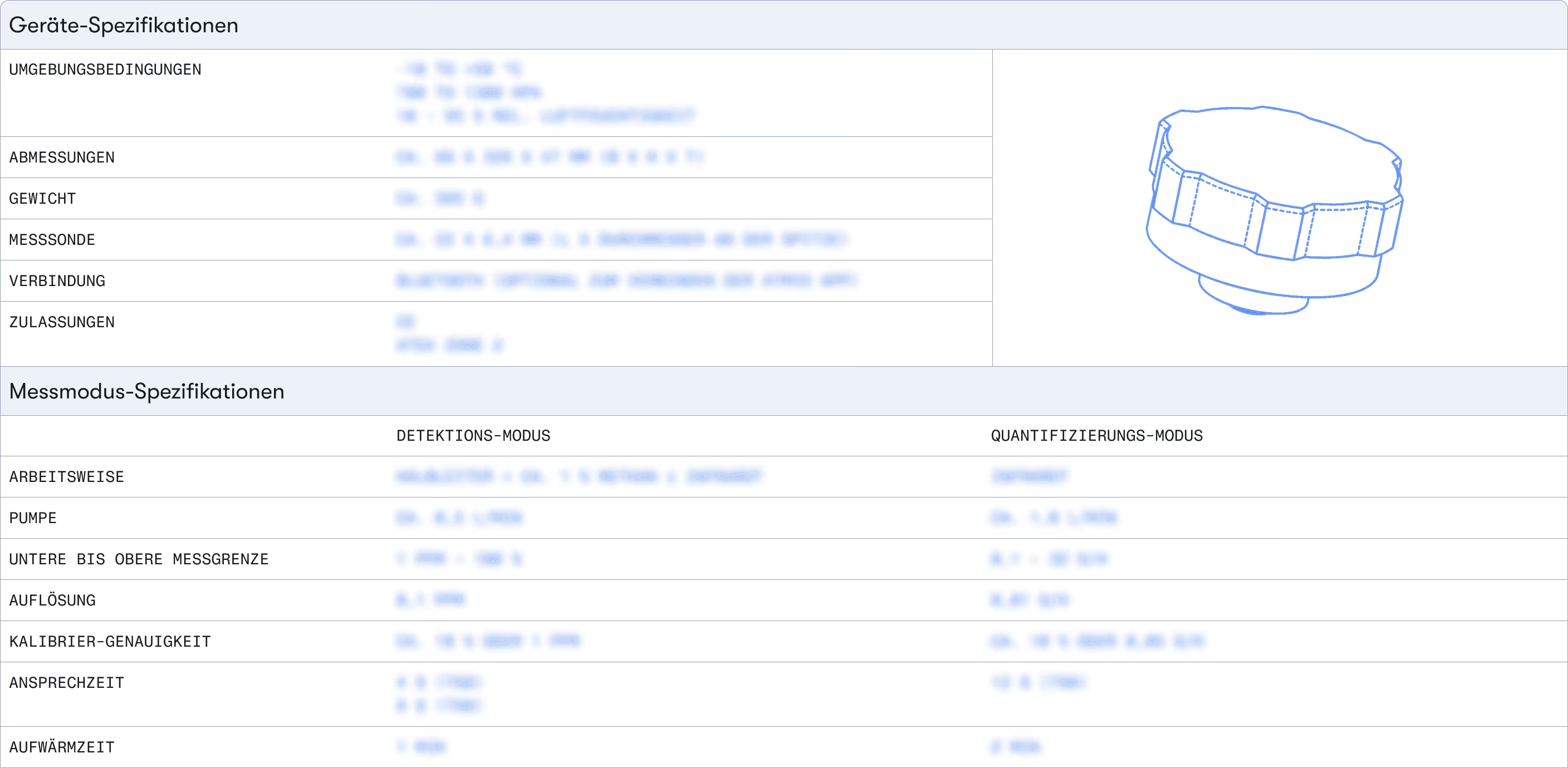
All technical specifications of the atmio SLD at a glance
To learn more about the technical data, book an appointment now.
Device specifications
Environmental conditions

Dimensions

Weight

Measuring probe

Connection

Approvals


Measurement mode specifications
Detection mode
Quantification mode
Operating principle


Pump


Measurement range (lower to upper)


Resolution


Calibration accuracy


Response time


Warm-up time


Three steps to full compliance.
The SLD measures regularly. If a threshold is exceeded, atmio OS automatically flags a potential leak.

You receive a signal and locate the source with the atmio HLD – only when there's a genuine suspicion.
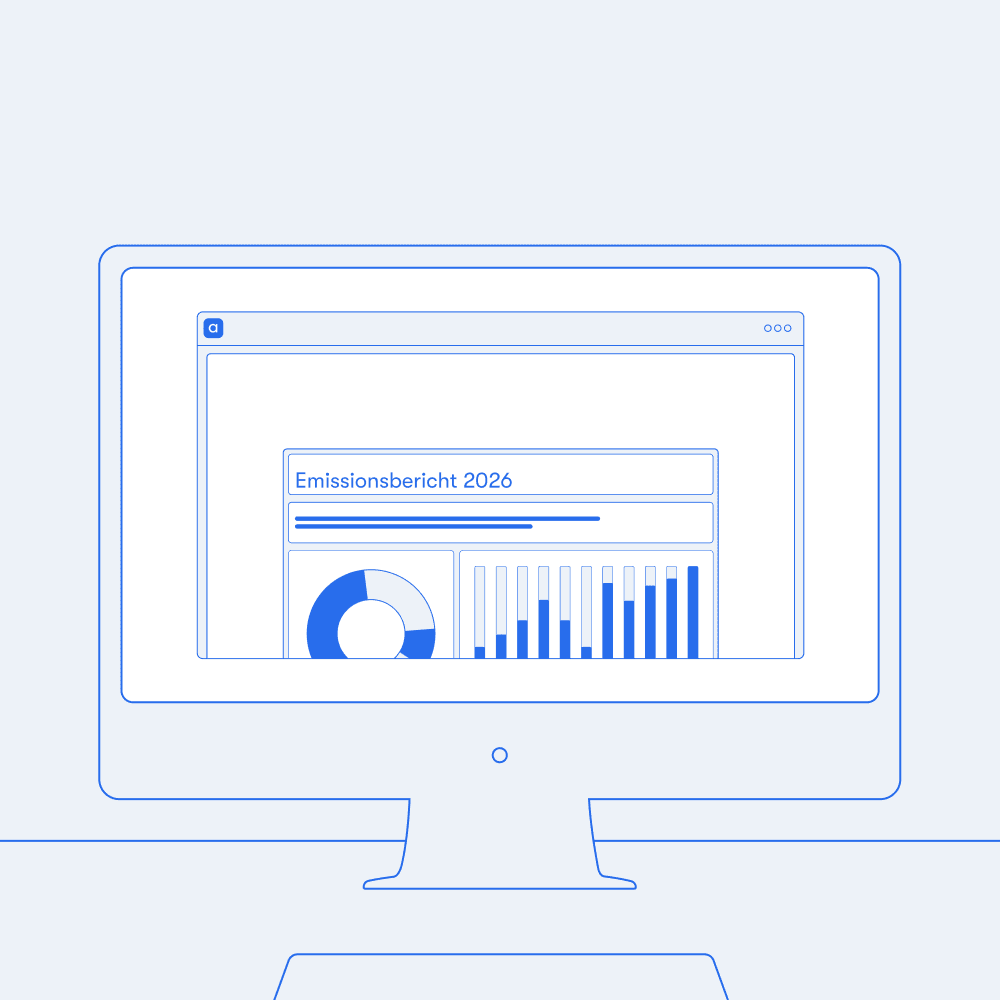
All events are documented and automatically included in the emissions report.
Developed for the requirements of the EU Methane Regulation.
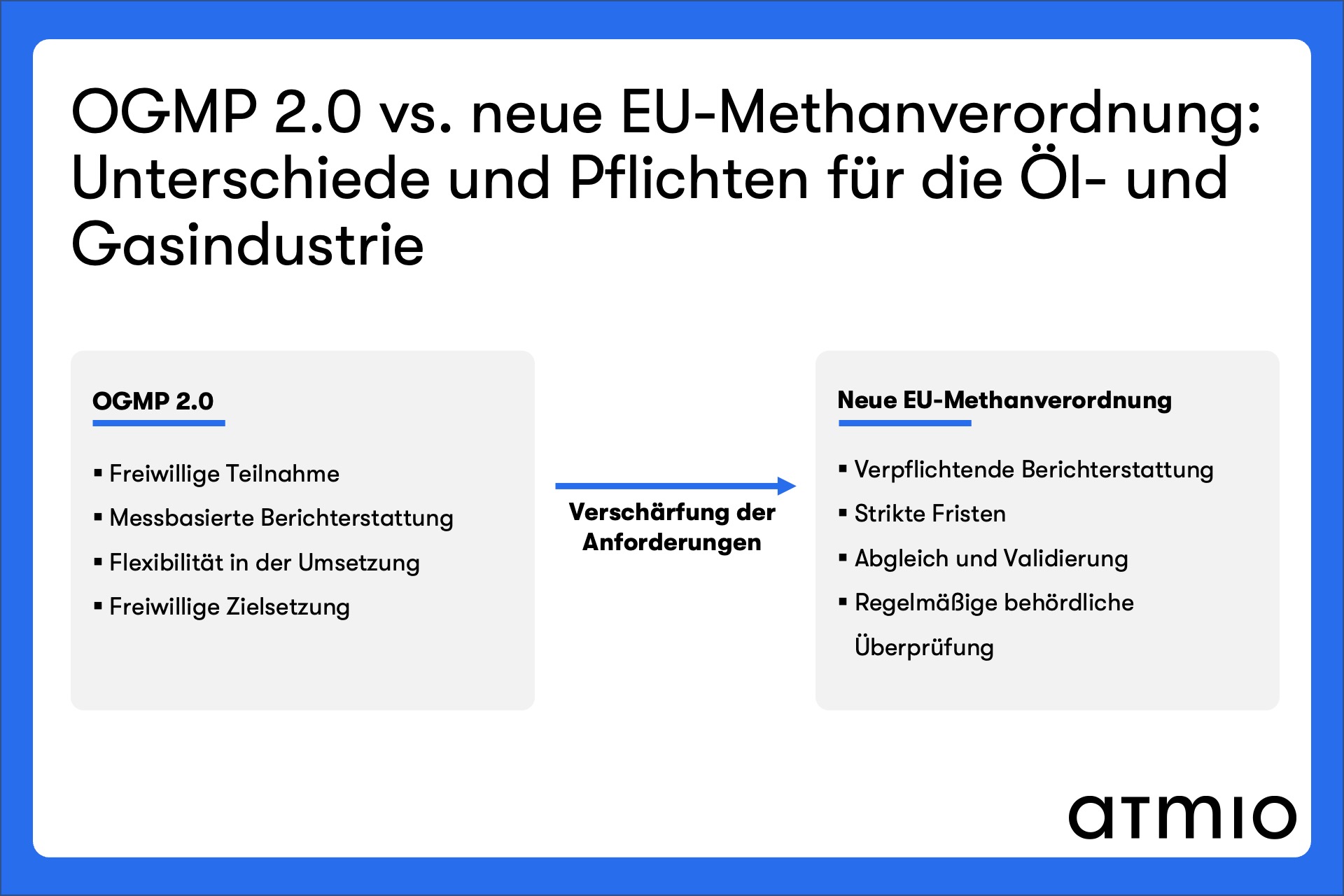
The EU Methane Regulation explicitly provides that advanced LDAR technologies can be used to adjust the frequency of manual inspections. The atmio SLD has been validated in active pilot projects, including one with Netze BW.

Real projects, measurable results. Success stories from the energy industry

"Lorem ipsum dolor sit amet, consectetur adipiscing elit. Suspendisse varius enim in eros elementum tristique. Duis cursus, mi quis viverra ornare, eros dolor interdum nulla, ut commodo diam libero vitae erat."


"Lorem ipsum dolor sit amet, consectetur adipiscing elit. Suspendisse varius enim in eros elementum tristique. Duis cursus, mi quis viverra ornare, eros dolor interdum nulla, ut commodo diam libero vitae erat."

„Die Kombination aus atmio und Bohlen & Doyen hilft uns, alle Anforderungen der EU-Methanverordnung termingerecht und zuverlässig umzusetzen. Das Zusammenspiel aus präziser Messtechnik und digitaler Dokumentation erleichtert unsere Arbeit deutlich.“


„atmio hat uns in kürzester Zeit geholfen, die Anforderungen der Methanverordnung vollumfänglich zu meistern. Besonders schätzen wir die intuitive Bedienung, die erhebliche Zeitersparnis und den verlässlichen Support.“

"Durch die Implementierung der Lösung von atmio können wir Prozesse für Leak Detection and Repair effizient und systematisch im Betrieb umsetzen und sind damit bestens gewappnet für die neue EU-Methanverordnung."

"Die Monteure sind nicht dafür da, den ganzen Tag Papier auszufüllen, sondern sich um Instandhaltungen, Wartung und Reparaturen zu kümmern. Unser Ziel ist, Methanemissionen zu verringern und den bürokratischen Aufwand so gering wie möglich zu halten. Durch atmio schaffen wir genau das: Methanemissionen verringern und bürokratischen Aufwand zu gering wie möglich zu halten."

See the atmio SLD in action
In a personal demo, we will show you how the atmio SLD simplifies your work: from the first measurement to automatic synchronization with atmio OS.


Frequently Asked Questions
Here you will find answers to the most frequently asked questions about the atmio SLD: so you can understand how permanent leak monitoring works, what the three indications mean, and what to expect after installation.
Not directly – but it changes when it's needed. Instead of fixed inspection intervals, the SLD enables a risk-based approach: an inspection is only triggered when the SLD indicates a deviation. A rigid cycle becomes a demand-driven inspection.
No Leak – signal within learned normal range, no action required.
Potential Leak – deviation from baseline, visit at the next opportunity and perform an LDAR measurement.
Leak – confirmed deviation, promptly locate and seal the potential leak.
No. The system uses Gaussian processes to learn the leak-free normal signal of each facility. A leak is detected by a combination of absolute level, rate of increase, short-term and long-term trends, and signal residual – summarized into a confidence value. Thresholds are automatically derived from a reference period, not set manually.
That depends on the responsible authority. The SLD is validated for detecting leaks from Type-2 repair thresholds (~500 ppm / ~1 g/h). Whether it is officially accepted as a detection method must be clarified individually – this issue is still open.
That depends on the responsible authority. The SLD is validated for detecting leaks from Type-2 repair thresholds (~500 ppm / ~1 g/h). Whether it is officially accepted as a detection method must be clarified individually – this issue is still open.
Emissions monitoring insights


Any questions?
We would be happy to discuss your individual challenges with you and show you how our solution meets your requirements.
Simply fill out the form and we will contact you to arrange a free, no-obligation consultation.